--> The evolution of casinos a journey through history
The evolution of casinos a journey through history
The Origins of Gambling and Early Casinos
The history of casinos can be traced back to ancient civilizations where games of chance were played for entertainment and profit. Archaeological evidence suggests that as early as 2300 B.C., the Chinese were using rudimentary forms of dice games. These early gambling activities laid the groundwork for more structured forms of gaming, leading to the emergence of the first official gambling houses in the 17th century in Europe. Casinos began to take shape in places like Venice, where the Casino di Venezia opened in 1638, providing a social venue for the elite. Today, players can also enjoy online platforms such as Pinco Games, which offer modern gaming experiences.

By the late 18th century, the concept of gambling houses proliferated across Europe. The introduction of roulette in France further popularized the casino culture, attracting aristocrats and wealthy patrons. These establishments not only offered games but also served as social hubs where individuals could engage in leisure activities. The term “casino” itself derived from the Italian word “casa,” meaning house, signifying a place of gathering for enjoyment and entertainment.
The evolution of casinos continued into the 19th century, with the establishment of more formal regulations and the introduction of various gaming options. This period marked the beginning of organized gambling in places like Monte Carlo, which became synonymous with luxury and high-stakes gaming. The allure of casinos grew as they offered not just games but lavish surroundings, entertainment, and an escape from daily life.
The Rise of Land-Based Casinos
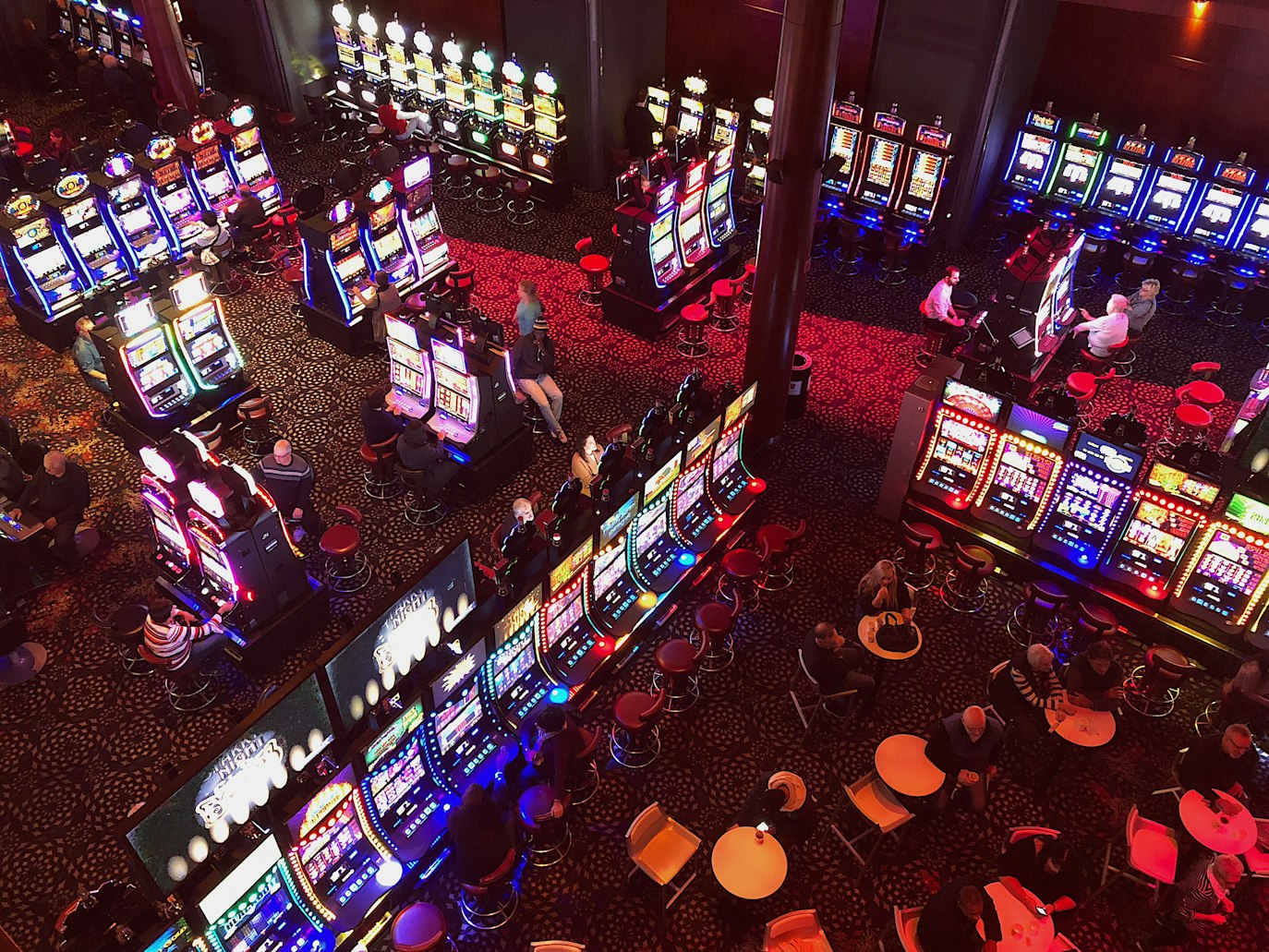
The 20th century heralded a golden age for land-based casinos, particularly in the United States. Las Vegas emerged as the gambling capital of the world, transforming from a barren desert town into a vibrant metropolis where opulence and excitement reigned. The legalization of gambling in Nevada in 1931 catalyzed this transformation, enabling ambitious entrepreneurs to construct lavish resorts and casinos. Iconic establishments like the Flamingo and the Sands showcased extravagant performances, attracting tourists from across the globe.
During this era, casinos began to diversify their offerings, introducing games such as poker, blackjack, and slot machines to cater to a broader audience. The glitzy atmosphere was further enhanced by the involvement of organized crime, which played a significant role in the operations of early Las Vegas casinos. However, as regulations tightened and public perception shifted, legitimate business moguls took over, shaping the casinos into respected institutions.
Internationally, the casino landscape evolved as well. Cities like Monte Carlo and Macau began to emerge as formidable contenders in the global gaming industry. The combination of rich history, cultural significance, and governmental support helped these locations thrive, creating a competitive environment that pushed casinos to innovate continuously. The emphasis on luxury experiences and high-quality service became a defining characteristic of land-based casinos during this period.
The Shift to Online Gambling
The advent of the internet in the late 20th century introduced a paradigm shift in the gambling industry. Online casinos began to emerge in the mid-1990s, allowing players to engage in gaming from the comfort of their homes. The first licensed online casino, InterCasino, launched in 1996, paving the way for the digital gaming revolution. This new format attracted a different demographic, often younger players who favored convenience over the traditional casino experience.
Online casinos offered an extensive range of games, from slots to table games, with the ability to play at any time and from any location. This accessibility led to an exponential growth in the online gaming industry. Additionally, innovations in technology allowed for the development of live dealer games, where players could interact with real dealers via video streaming. This blend of technology and traditional gaming elements created a unique experience that bridged the gap between online and land-based casinos.
As online gambling grew, so did concerns about player safety and regulatory compliance. Governments around the world began to implement laws and licensing requirements to protect consumers. This regulatory oversight helped to legitimize online casinos, instilling confidence in players regarding the security of their personal and financial information. The transition to online gambling also sparked discussions about responsible gambling, leading many platforms to adopt measures to promote safe gaming practices.
The Future of Casinos: Hybrid Models and Innovations
As technology continues to advance, the future of casinos appears poised for further evolution. The emergence of hybrid models that combine the physical experience of land-based casinos with the convenience of online platforms is gaining traction. This model allows players to enjoy the social aspects of traditional gambling while accessing a broader range of games digitally. Casinos are increasingly investing in immersive technologies, such as virtual reality, to enhance player engagement.
Moreover, the rise of mobile gaming has fundamentally changed how players interact with casinos. Mobile applications provide easy access to games and allow players to gamble on-the-go. This trend aligns with a growing demand for flexibility and convenience, catering to an audience that values quick access to entertainment. The integration of payment systems, such as cryptocurrency, has also begun to reshape the financial landscape of gambling, offering players more options for transactions.
As the industry continues to adapt, player experience remains a focal point. Many casinos are now emphasizing personalized gaming experiences, leveraging data analytics to tailor offerings to individual preferences. This approach not only enhances customer satisfaction but also fosters loyalty, ensuring that players return for more. With ongoing innovations and a commitment to adapting to changing consumer behaviors, the casino industry is set to thrive in this dynamic environment.
Exploring Pinco Casino: A Modern Gaming Experience
Pinco Casino exemplifies the modern online gaming landscape, offering a comprehensive platform for Canadian players seeking an exciting and secure gambling experience. Featuring a diverse selection of games, including slots, live dealers, and sports betting, Pinco Casino Canada caters to a wide array of preferences, ensuring that there is something for everyone. The user-friendly interface makes navigation seamless, enhancing the overall experience for both newcomers and seasoned players alike.
Pinco Casino is committed to safety and responsible gaming, providing secure payment methods to protect player transactions. The platform is licensed, offering a trustworthy environment where players can enjoy their favorite games without concerns about security. With enticing bonuses, such as first deposit offers, Pinco Casino incentivizes players to explore their extensive game catalog and engage with the community.
As the gambling industry continues to evolve, Pinco Casino Online is at the forefront, adapting to new trends and technologies. By focusing on player experience and incorporating innovative features, it promises to deliver an engaging gaming environment that meets the needs of a modern audience. With mobile compatibility and exciting gaming options, Pinco Casino is a prime example of how the future of gambling is being shaped.


